The rating is based on the average of all attempts — for a more objective result we recommend at least 5 repetitions.
Why it matters
Reaction time is the foundation of almost every sport — goals, defense, and getting past an opponent are decided in fractions of a second. Regular reaction training shortens the gap between perception and movement and reduces the number of missed moments.
What it measures
How fast you react to a simple visual stimulus — the time between the color change and your click, measured in milliseconds.
Who it helps
Athletes across all disciplines, drivers, and anyone who wants to track their psychomotor performance over time.
Rating scale
< 180 msElite level
180–219 msExcellent reaction
220–269 msAverage reaction
270–319 msSlightly below average
≥ 320 msSlower reaction
For comparison: the average adult sits around 250 ms · professional esports players 150–180 ms · Olympic sprinters at the start 120–160 ms (a reaction under 100 ms counts as a false start).
In practice
Where visual and cognitive training is actually used
Visual and cognitive training isn't a marketing buzzword — it's used worldwide across sport, safety, and medicine.
Sport
From the steering wheel to the pitch — peripheral vision and fast decision-making matter in almost every sport.
Motorsport
F1 and WRC drivers have to assess a situation in a split second at speeds over 300 km/h.
A study by J. Faubert (2013) showed that professional footballers learn to track multiple moving objects at once faster than the general population. Olympic medalist goalkeeper Erin McLeod went through similar training.
Stars like Stephen Curry and Kawhi Leonard have experimented with visual training. NBA clubs, including the Toronto Raptors, commonly use NeuroTracker.
Former MVP Matt Ryan trains with NeuroTracker year-round. NFL teams also routinely test players on devices like Dynavision — reacting to light cues across the full field of view.
Connor McDavid has spent years training peripheral vision and reaction time — according to his agent, it gives him a critical edge on the ice. Sidney Crosby and Tom Wilson trained similarly.
The large ACTIVE study (Edwards et al.) showed that speed-of-processing training — the same principle behind UFOV — nearly halved dementia risk over a 10-year follow-up.
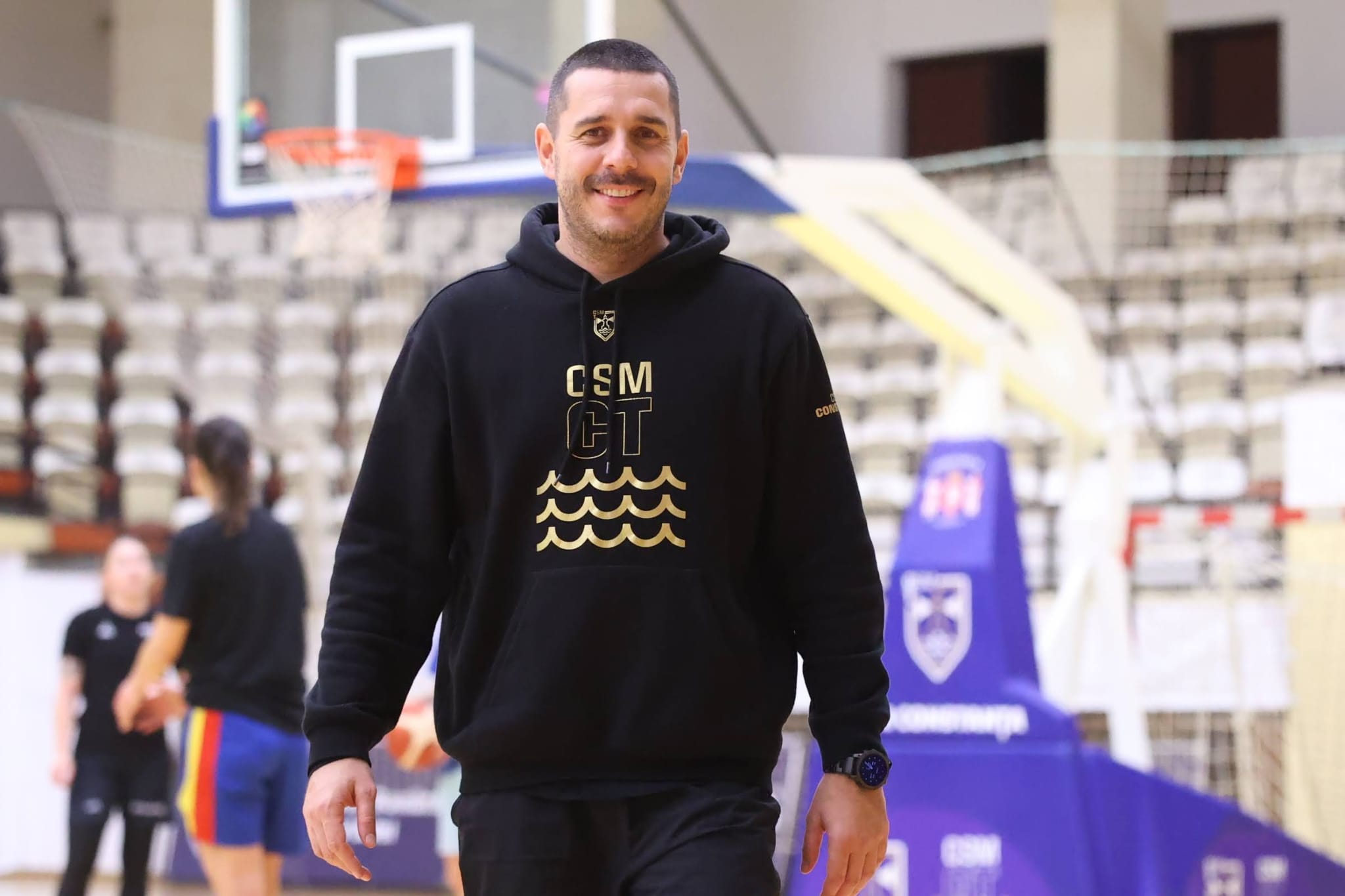
A conditioning coach with over 25 years of experience in basketball. He has prepared the Slovak women's national team, the Piešťanské Čajky and Spišskí Rytieri clubs, and the Romanian Olympic 3x3 team.
Our athletes
Train with us
Top Slovak athletes across various disciplines use visual training too.
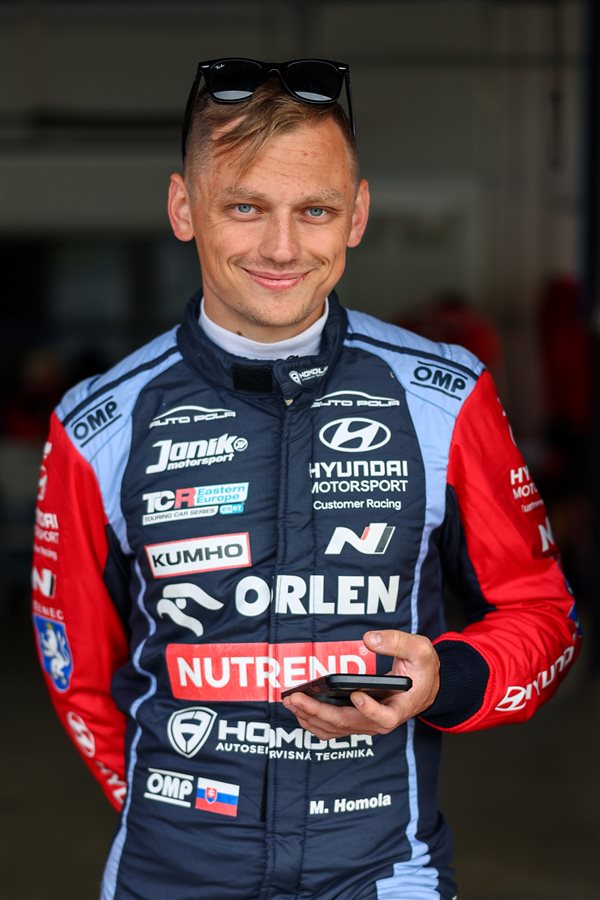
Maťo Homola
The most successful Slovak racing driver.
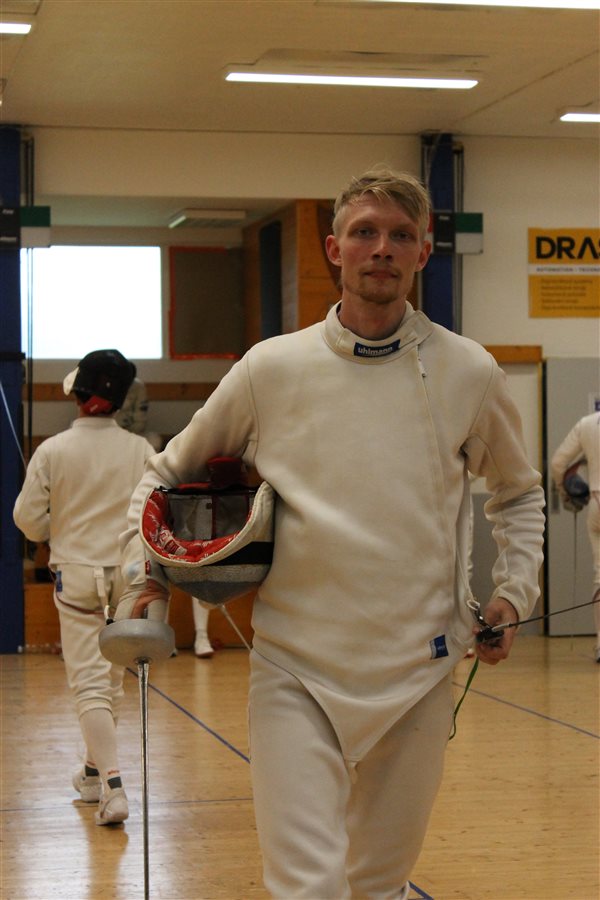
Alex Duduc
Slovak national épée fencer, multiple-time Slovak champion.
 Focus in motion